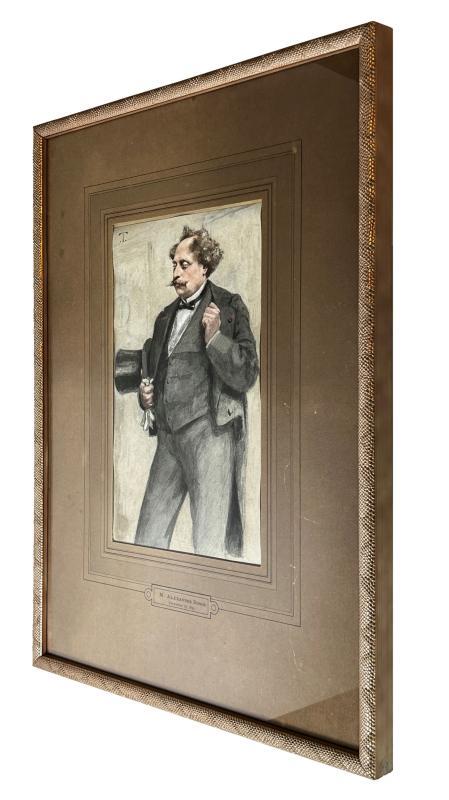
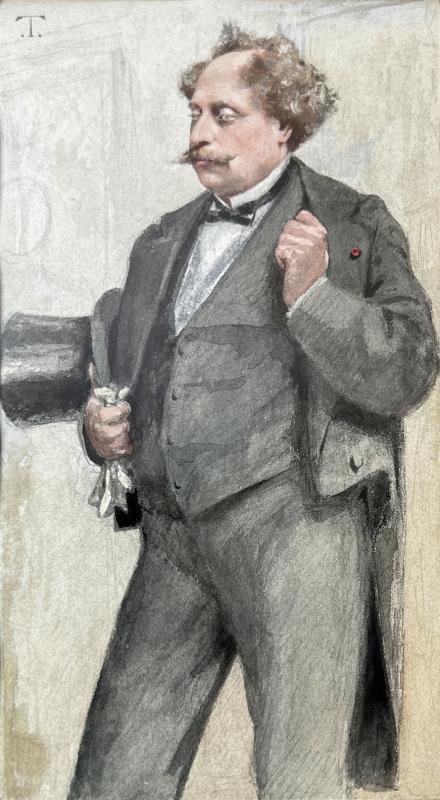
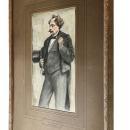
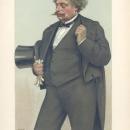
Alexandre Dumas Portrait by Theobald Chartran Featured in Vanity Fair 1879
$25,000.00
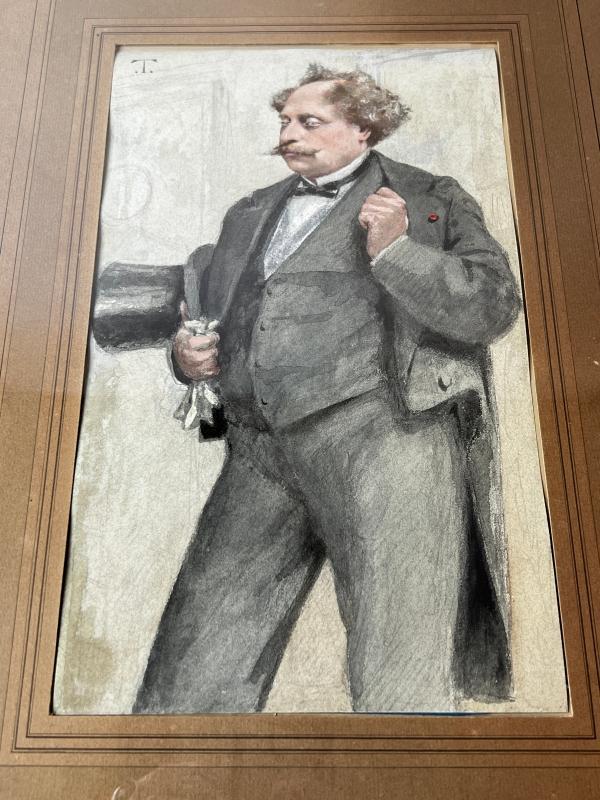
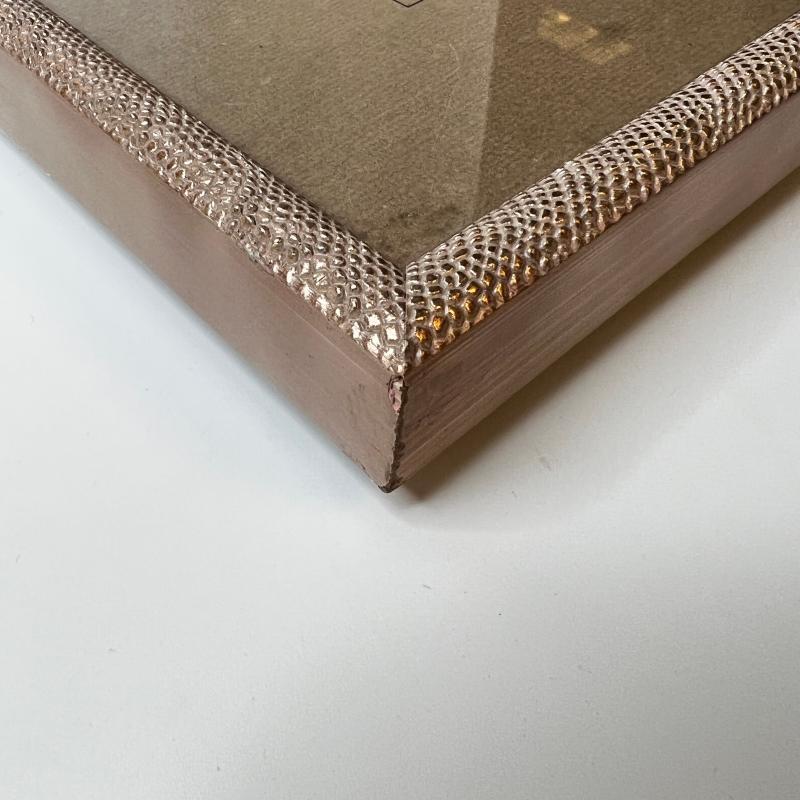
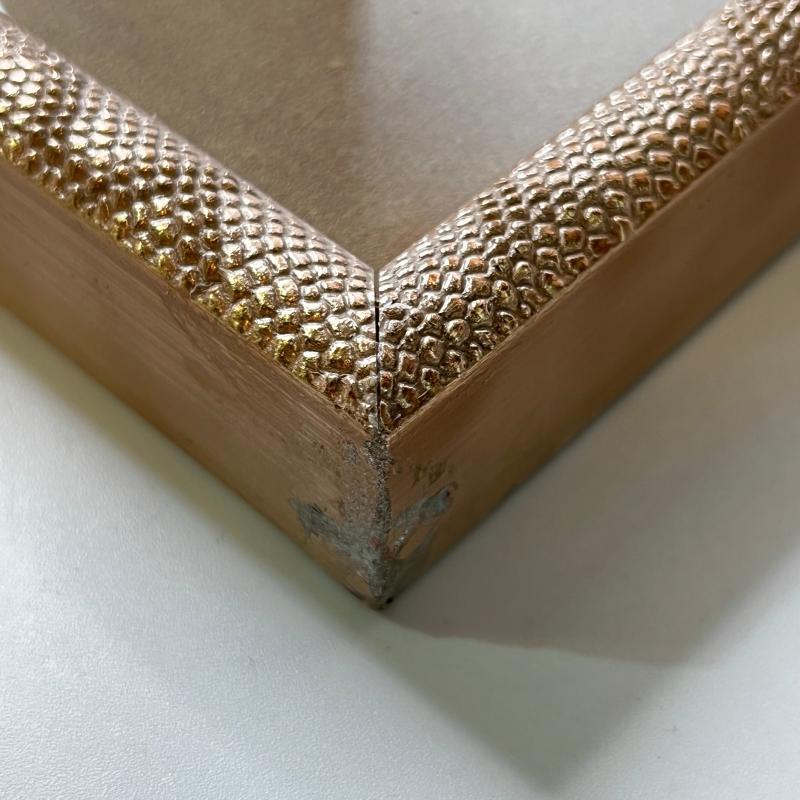
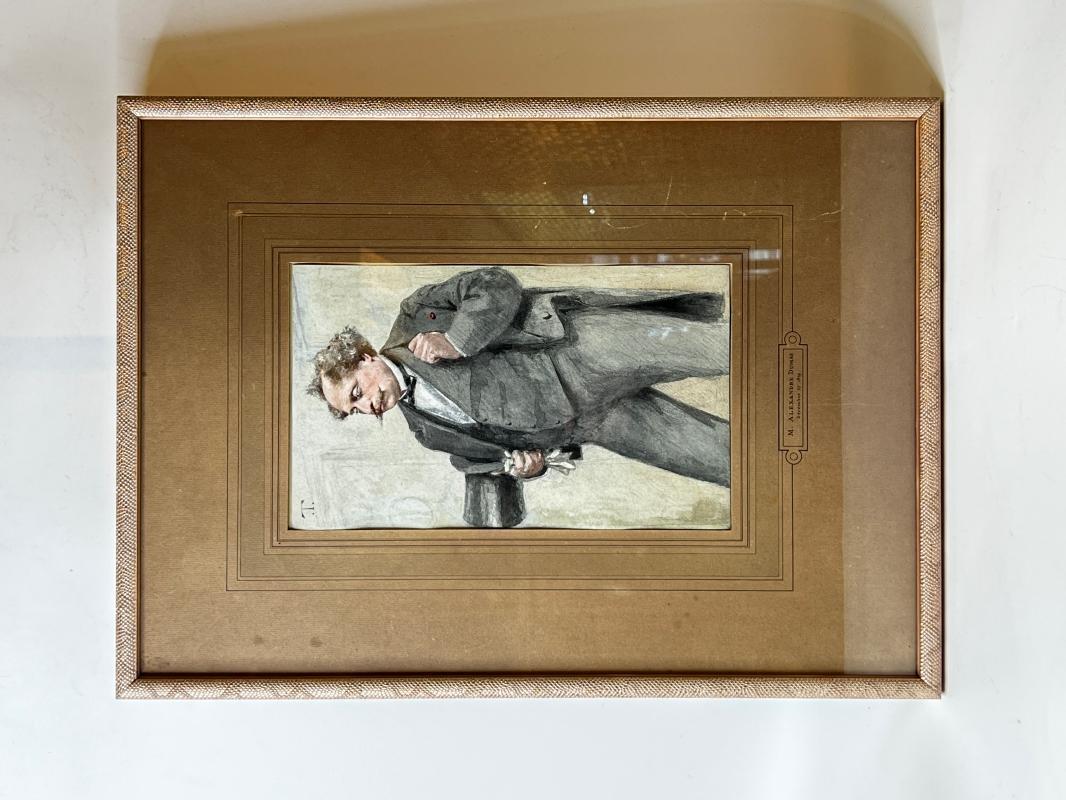
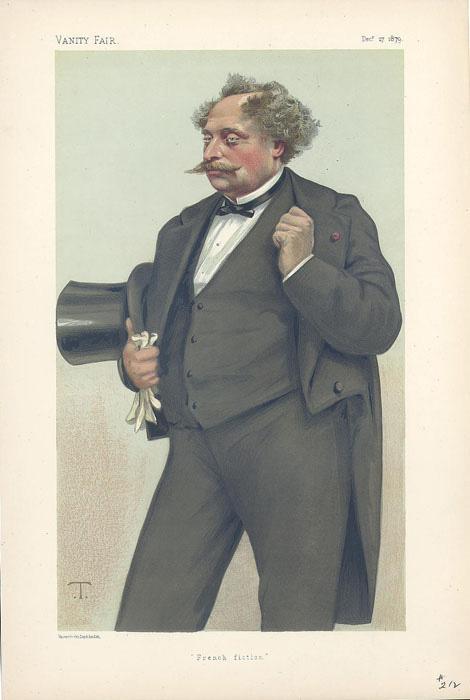
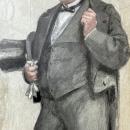
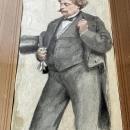
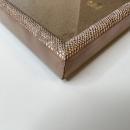
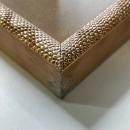
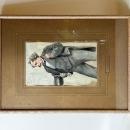
Or Best OfferOur portrait of Alexandre Dumas fils (1824-1895) in pencil and watercolour heightened with white by Theobald Chartran (1849-1907) is the original artwork featured in the December 27, 1879 edition of Vanity Fair. Mounted here under an old decorative matte with finely drawn borders and title, inside a modern glazed frame measuring 16.25 by 22.25 in. Size of the window of the matte is 7.25 by 12 in. We have not removed the painting for further inspection.
Under the heading, Men of the Day, the brief article that accompanied the illustration read as follows: 'Born seven-and-fifty years ago, Alerandre Dumas has shown himself the worthy son of the man who called himself "le plus grand amuseur du monde." He began to write at seventeen, and at twenty-six he produced that "Dame aux Camélias" which first caused his countrymen to admire him. His style is simple and natural, and he has a rare knack of treating hazardous matters with dramatic effect and with an uncertain amount of decency. The moral conclusion to be drawn from his works is usually of doubtful correctness, but the ability he displays in them is so great as to stamp him one of the very foremost professors of French fiction. He has a knowledge and a power of handling the problems of modern society in dramatic form rarely equaled and scarcely ever surpassed. He has originated many a phrase which has lived. He was elected a member of the Academy five years ago, and he has a house near unto that of Lord Salisbury at Puys.'
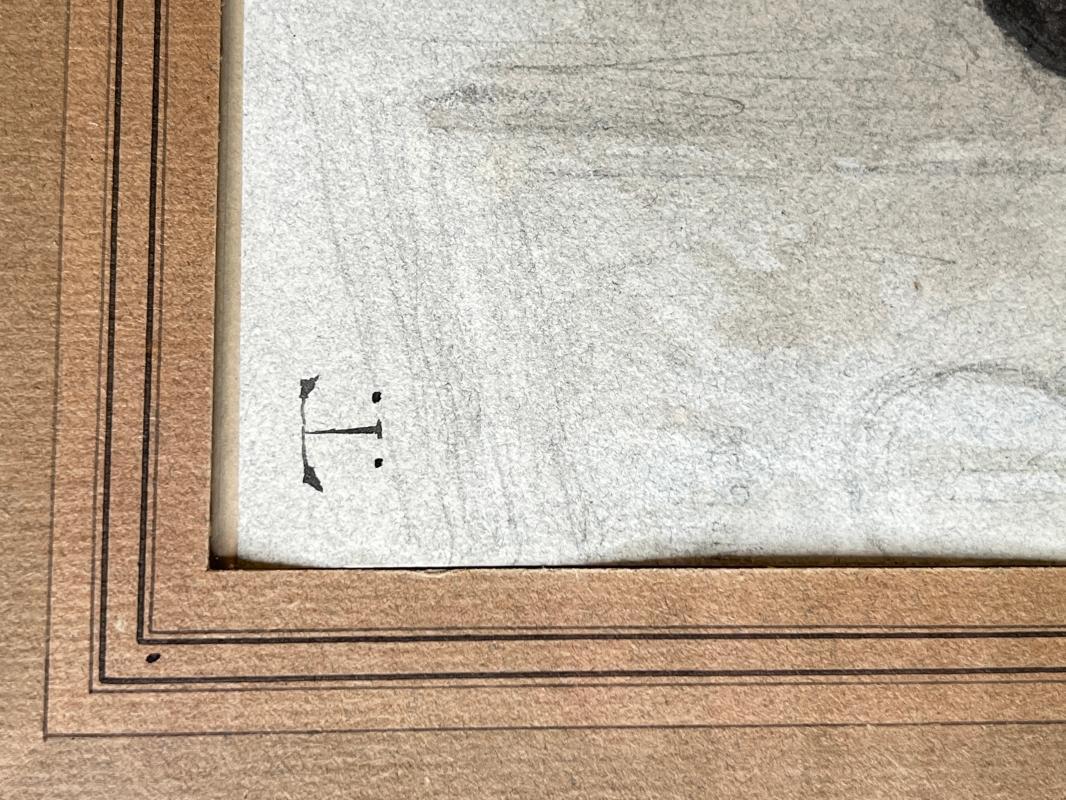
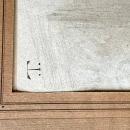
French-born Theobald Chartran began his study of art in Paris under Alexandre Cabanel and later attended the Ecole des Beaux-Arts. Chartran received the coveted Prix de Rome in 1877, the same year he painted his best-known work, a portrait of Pope Leo XIII. He went on to gain a reputation as a painter of historical tableaux and won a number of commissions to paint French government buildings. In the 1870s and 1880s he was one of an international group of artists who worked for Vanity Fair, signing these works simply .T. After 1880, Chartran concentrated on portrait painting and became one of the favorite portraitists of elegant society in America and Europe, as Christie's stated in a recent lot description, "The preferred portraitist of American presidents, European socialites, and even the Pope, Théobald Chartran dominated the international art world in this genre between 1880 and 1910." He travelled to the United States in 1893 and made annual portrait-painting visits thereafter until the end of his life. Chartran maintained a studio in New York at 10 East 33rd Street and exhibited frequently at Knoedler's. One of his pictures resides in the White House Art Collection.
Dumas fils (French for son) was the son of Alexandre Dumas père (father). He is best known for the romantic novel, La Dame aux Camélias (The Lady of the Camellias), which was adapted as the opera, La Traviata (The Fallen Woman), by Giuseppe Verdi in 1853. He was admitted to the Académie française (French Academy) in 1874 and awarded the Légion d'honneur (Legion of Honour) in 1894.
His father, Dumas pere (1802-1870), authored many popular and acclaimed historical novels of high adventure, including The Count of Monte Cristo, The Three Musketeers, Twenty Years After and The Vicomte of Bragelonne: Ten Years Later. His novels have been adapted since the early twentieth century into nearly 200 films.
Published weekly from 1868 to 1914, Vanity Fair was a British weekly magazine said to be "A Weekly Show of Political, Social and Literary Wares". Each edition featured an essay and exquisite caricature lithographic (by Vincent Brooks, Day & Son of London) from original drawings by some of the leading figurative painters of the age, designed to expose the vanities of Victorian society. Brooks Day and Son produced and sold hand-painted lithograph reproductions for years after publication. These period lithographs are widely collected around the world, but original painted works such as ours that served as the basis for these Vanity Fair lithographs are extremely rare.